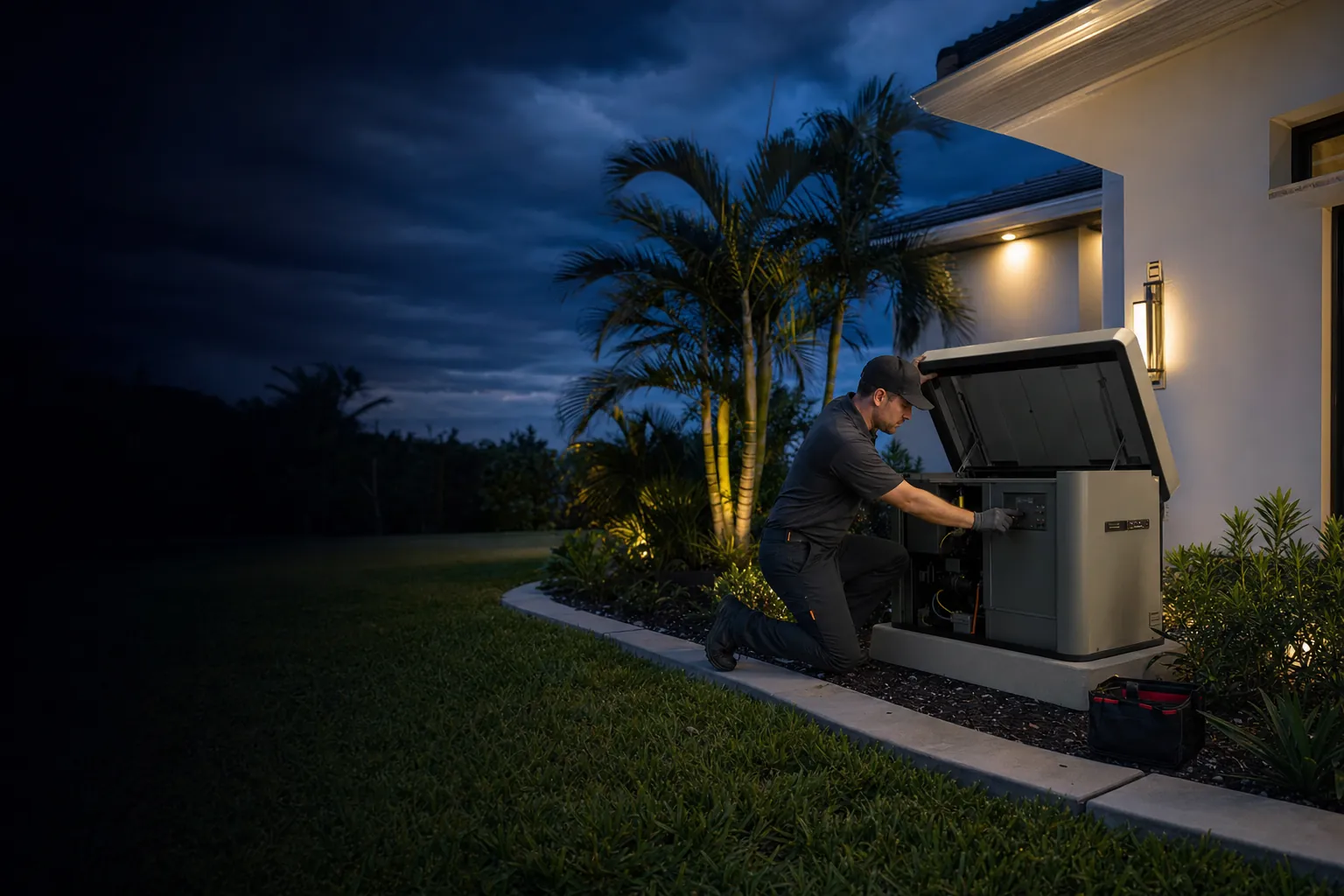
Hurricane season on the Space Coast runs from June 1 through November 30, and the best time to prepare your electrical system is before a storm is on the radar. A little planning makes outages easier to ride out, protects your equipment from surges and helps you get power back safely once the storm has passed.
Before the season: decide how you will handle an outage
Start with a simple question: what has to keep running when the power is out? For most Brevard County homes the list includes the refrigerator and freezer, lights, phone and internet, a few fans or the air conditioning, and medical equipment if anyone in the home depends on it.
From there you have two main paths:
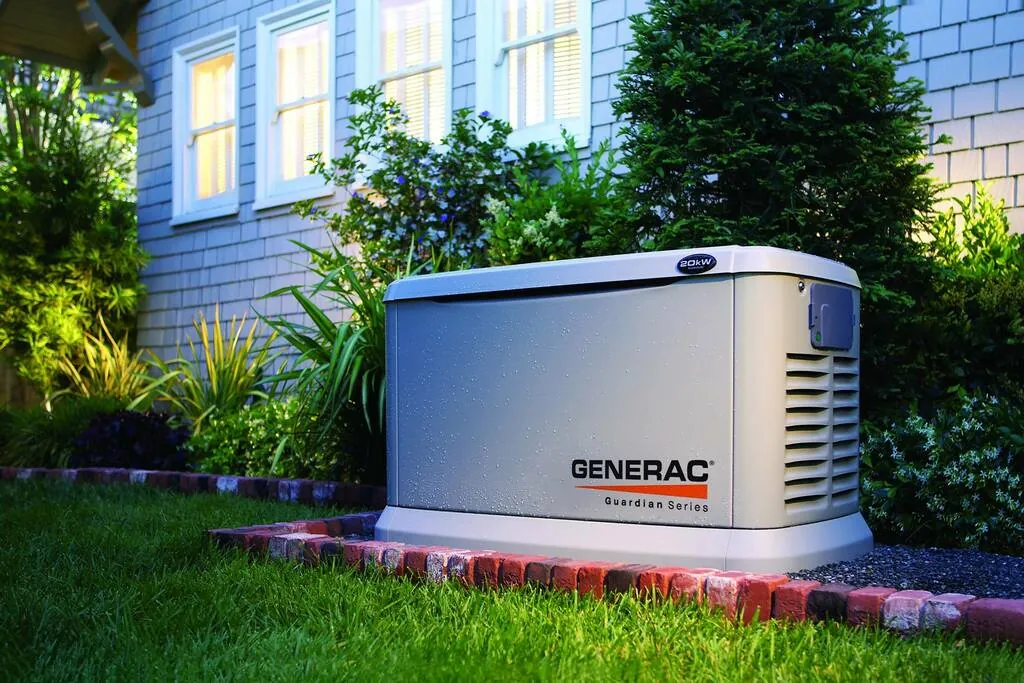
- A permanently installed standby generator. It starts by itself within seconds of an outage and runs the circuits you chose, or the whole home, on natural gas or propane. See whole-house generator installation for what the project involves.
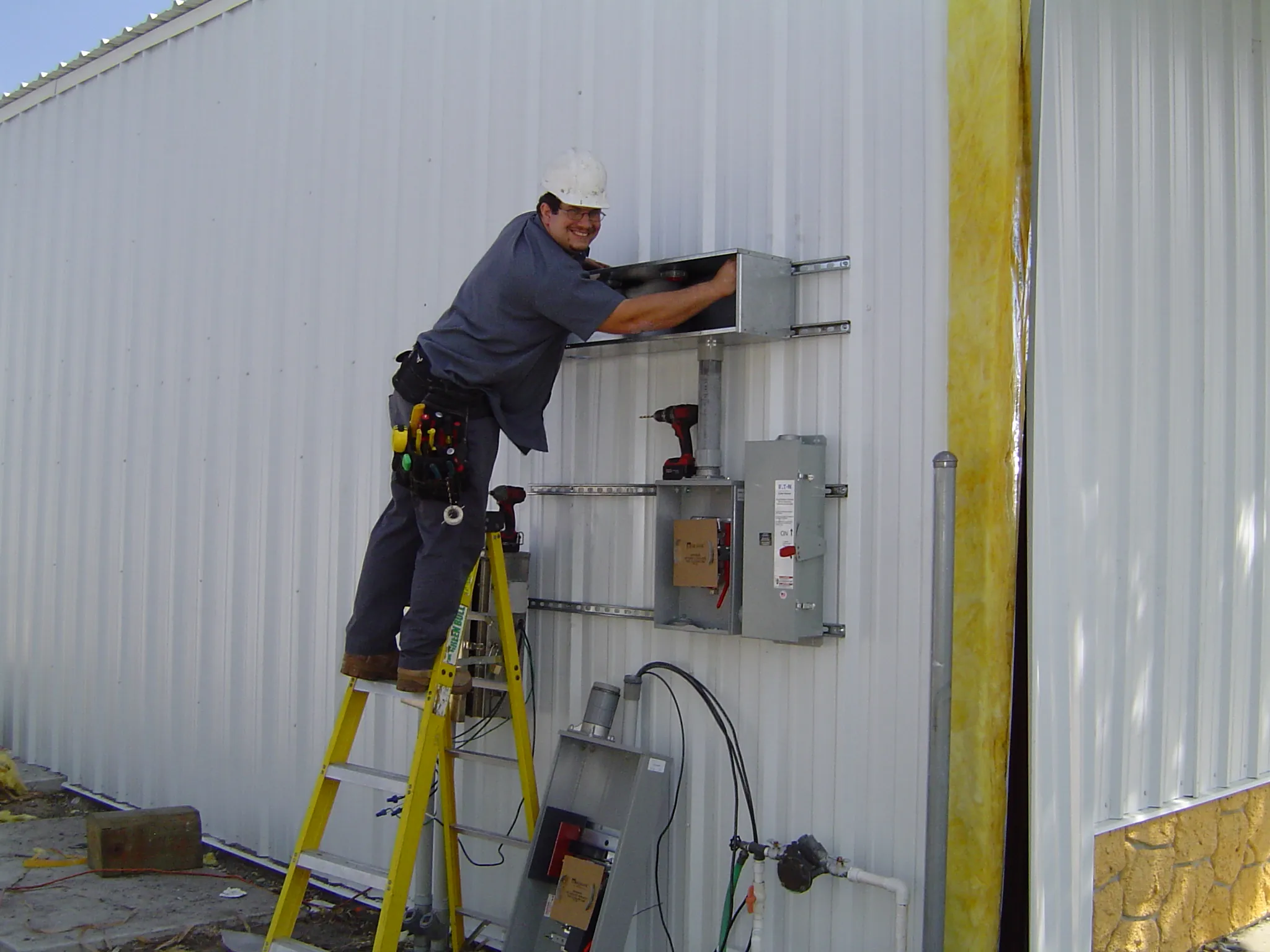
- A portable generator with a transfer switch or interlock. A lower-cost option that lets you power selected circuits safely through your panel, without running extension cords through windows.
Get your generator ready
If you already have a standby generator, schedule maintenance before peak season: oil and filter service, a battery check and a test under load. Most standby units run a short self-test on a schedule. If yours has not been exercising, or shows a warning light, have it looked at before you need it. The generator maintenance checklist covers what to look for.
If you use a portable generator, run it for a few minutes before the season, store fuel safely and know where you will set it up outside.
Protect your home from surges and lightning
Florida sees a lot of lightning, and storms can send surges through the power lines when the grid goes down or comes back on. A whole-house surge protector installed at the panel helps protect air conditioners, appliances and electronics. Plug-in surge strips are still useful for computers and TVs, but they do not protect hard-wired equipment.
Using a portable generator safely
Every year, people are hurt by generators during outages. Follow these rules every time:
- Run it outdoors only, never in a garage, porch, shed or crawl space, even with the door open.
- Keep it well away from doors, windows and vents so exhaust cannot drift inside, and follow the distance in the owner’s manual.
- Put battery-powered carbon monoxide alarms near sleeping areas.
- Never plug a generator into an outlet or connect it to your panel without a transfer switch or interlock. Backfeeding can injure line workers and damage your home.
- Let it cool before refueling, and keep it dry.
After the storm: before you turn the power back on
Once the storm has passed, take a careful look before you reset anything:
- Stay far away from downed power lines and anything touching them, including fences and standing water. Report them to your utility.
- If water reached outlets, the panel or appliances, leave the power off to those areas until a licensed electrician has checked them.
- Look for scorch marks, burning smells, buzzing or a hot panel. Any of these means stop and call.
- If you turned off the main breaker, turn your large appliances off first, then turn the main back on and bring things back a few at a time.
If something still does not work once your utility has restored power, electrical troubleshooting can find whether the problem is inside the home or at the service.
When to call Advent Electric
Call before the season to plan a standby generator, a transfer switch or interlock, generator maintenance or surge protection. After a storm, call if water reached your electrical equipment, if part of the home still has no power, or if you notice heat, smells or sparking. Advent Electric installs and maintains Generac standby generators and serves homeowners and businesses across Brevard County.
Related services and guides
Plan your backup power before the next storm.
Advent Electric can help you choose between a standby generator and a portable setup, and install it safely.
Request a quoteFrequently asked questions
Can I plug my portable generator into a dryer outlet?
No. Feeding power back through an outlet, sometimes called backfeeding, can send electricity out onto the utility lines and injure line workers or neighbors. Use extension cords rated for the load, or have an electrician install a transfer switch or interlock.
Where should I put a portable generator?
Always outdoors, never in a garage, porch or crawl space, and well away from doors, windows and vents so exhaust cannot drift inside. Follow the distance in your generator’s manual. Carbon monoxide can build up quickly and you cannot smell it.
Should I turn off my main breaker before a hurricane?
If you are evacuating, or if flooding is expected where your panel or outlets are, turning off the main breaker can help protect the home and equipment. Only do it if the panel is dry and you can reach it safely, and never stand in water to reach a panel.
What should I do if water got into outlets or my panel?
Leave the power off to those areas and have a licensed electrician inspect them before anything is turned back on. Water-damaged breakers, outlets and wiring can fail or cause a fire even after they dry out.