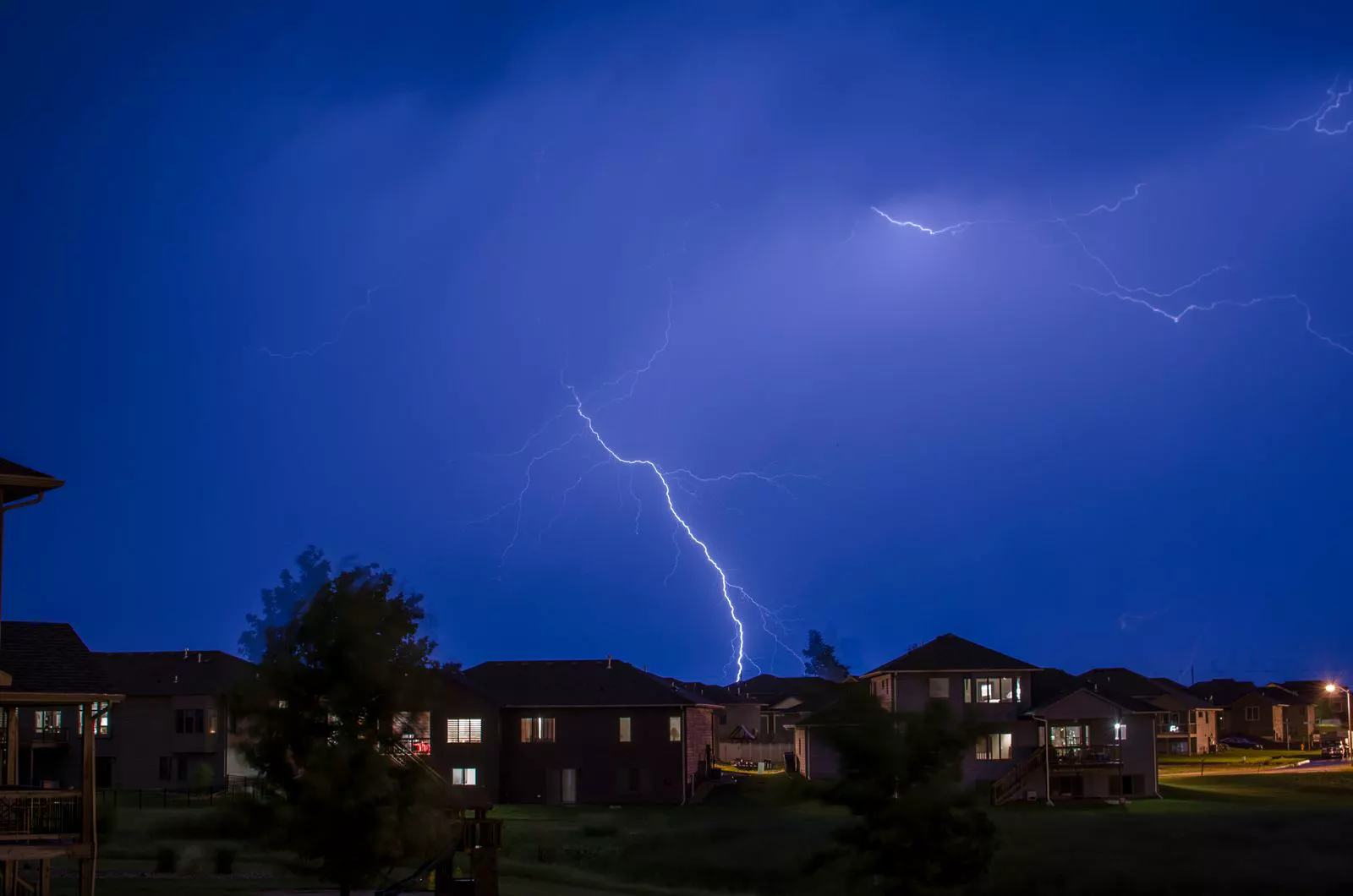
Florida sees more lightning than almost anywhere else in the country, and summer afternoons on the Space Coast can bring storms almost daily. A direct strike on a house is rare, but nearby strikes and the surges they send through power, cable and phone lines are common, and they can quietly damage air conditioners, appliances and electronics. The good news is that layered protection makes a real difference.
How lightning damages electrical equipment
Most damage does not come from lightning hitting the house. It comes from a strike nearby that sends a surge of voltage into the home through the power lines, the cable or internet line, the phone line or even the ground. Electronics with circuit boards are the most sensitive: air conditioner and pool equipment controls, appliances, garage door openers, TVs, computers and networking gear.
The layers of protection
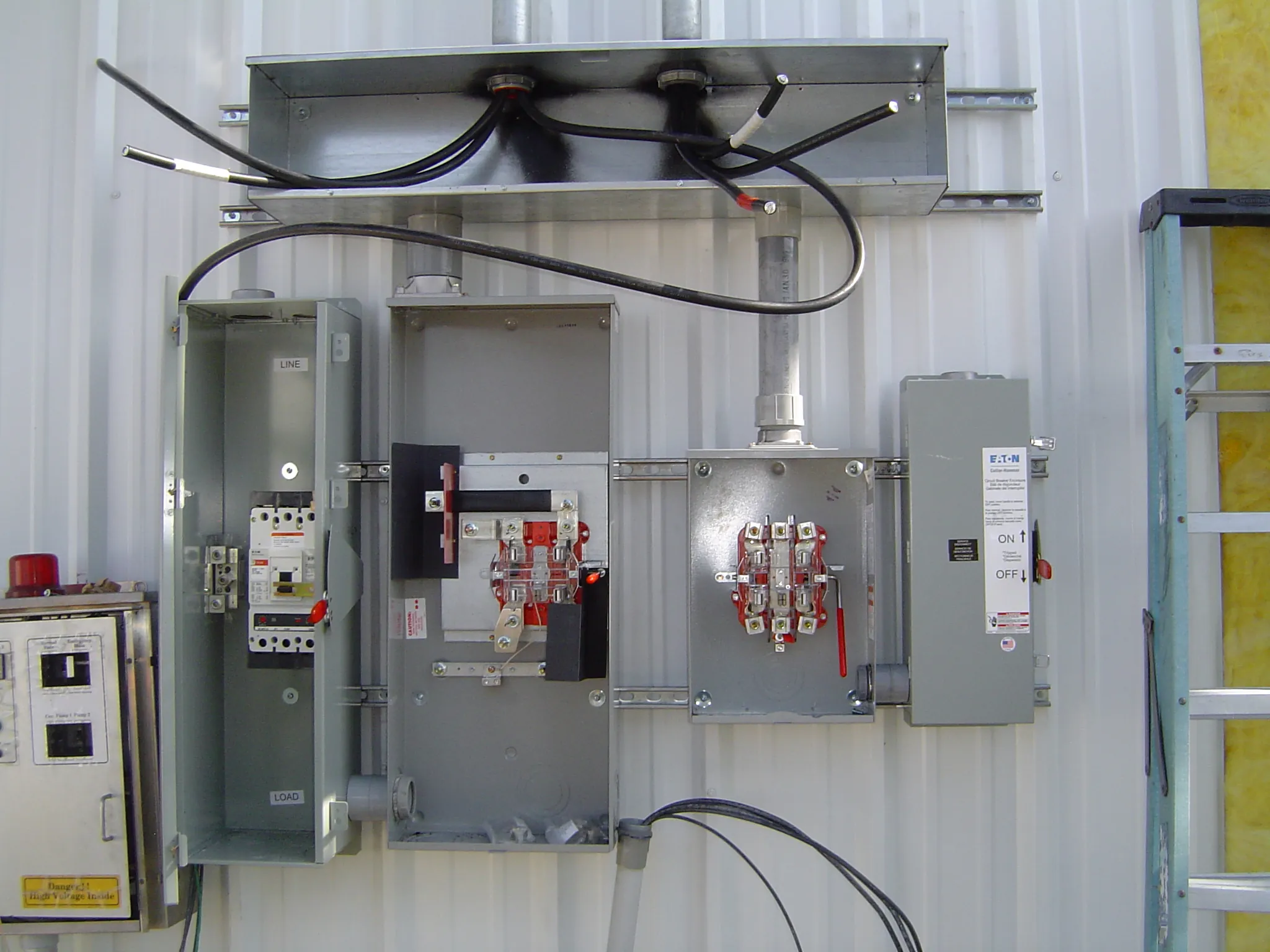
- Whole-house surge protection at the panel. A whole-house surge protector limits surges coming in on the power lines before they reach your circuits, including hard-wired equipment that plug-in strips cannot protect.
- Plug-in surge protectors for computers, TVs and networking gear. Choose ones with a joule rating and an indicator light, and replace them after a big surge or when the light goes out.
- Protection on the other lines. Surges also come in on cable, internet and phone lines. Make sure those lines are grounded where they enter the home, and use surge protectors that cover them for the most sensitive equipment.
- Good grounding and bonding. Surge protectors only work if the home’s grounding system is in good shape. An electrician can check the ground connections at the panel and meter.
- A lightning protection system (rods and down conductors) is a separate, specialized system designed to give a direct strike a safe path to ground. It works alongside surge protection, not instead of it.
During a storm
- Unplug expensive electronics you do not need if a storm is coming and you have time.
- Stay off corded phones and avoid using plugged-in equipment during the storm.
- Do not stand in water or touch plumbing fixtures during lightning.
- Wait until the storm has passed before checking outdoor equipment.
After a nearby strike
If you heard a strike close by, walk through the house afterward. Look for tripped breakers or GFCIs, equipment that will not turn on, a burning smell, scorch marks at outlets or the panel, and surge protectors whose indicator lights have gone out. If you smell burning or see scorching, turn off that circuit if it is safe to do so and call an electrician. Damage inside walls is not always visible right away.
If the air conditioner or pool equipment stopped working, have it checked before resetting it repeatedly. For a step-by-step look at finding the cause, see electrical troubleshooting.
When to call Advent Electric
Call to add whole-house surge protection, to check grounding and bonding, or after a nearby strike if equipment stopped working or you notice heat, smells or scorching. Advent Electric serves homeowners and businesses across Brevard County.
Related services and guides
Protect your home before the next storm.
Advent Electric can install whole-house surge protection and check that your grounding is doing its job.
Request a quoteFrequently asked questions
Does a surge protector stop a direct lightning strike?
No device can guarantee protection from a direct strike. Surge protectors are designed for the much more common surges from nearby strikes and grid events. A lightning protection system with rods is a separate system for direct strikes.
Is a whole-house surge protector worth it in Florida?
For many Space Coast homes, yes. It protects hard-wired equipment like air conditioners, pool controls and appliances that plug-in strips cannot, and it works with point-of-use protectors for electronics.
Do plug-in surge protectors wear out?
Yes. They absorb surges over time and can stop protecting without any obvious sign. Replace them after a major surge or when the protection indicator light goes out.
What should I check after lightning hits nearby?
Look for tripped breakers, equipment that will not power on, burning smells, scorch marks and surge protectors with dark indicator lights. If you notice heat, smells or scorching, turn off the circuit if safe and call an electrician.