
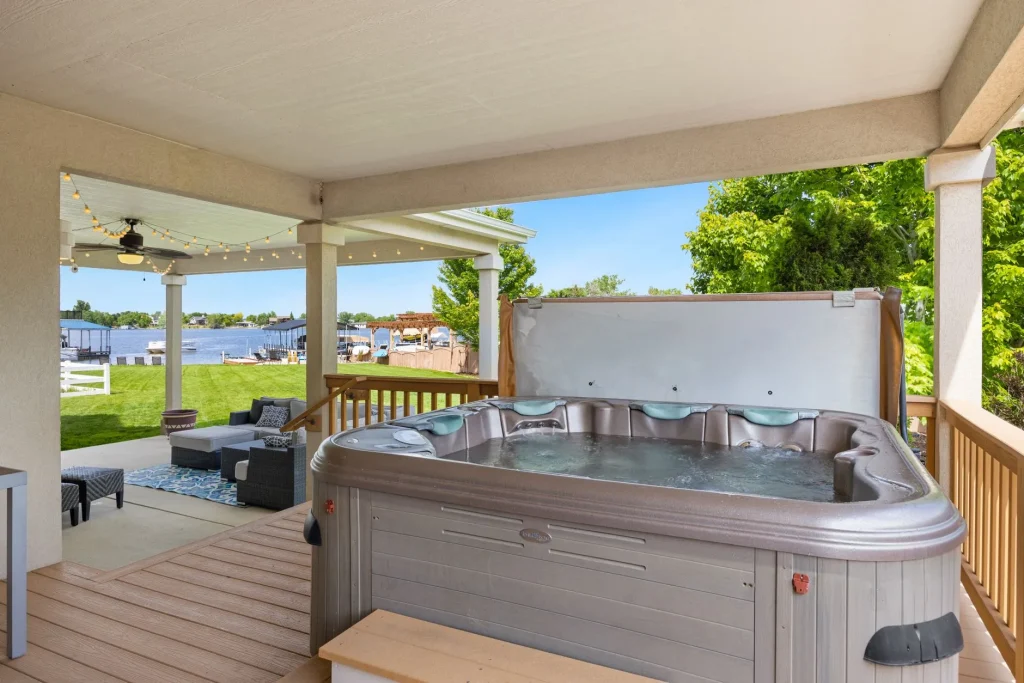
A new spa usually arrives long before the power is ready for it. Hot tubs are one of the few things at a home that combine water, metal and a heavy electrical load, so the wiring has rules of its own. Here is what goes into a safe hot tub or sauna connection, and what to sort out before delivery day.
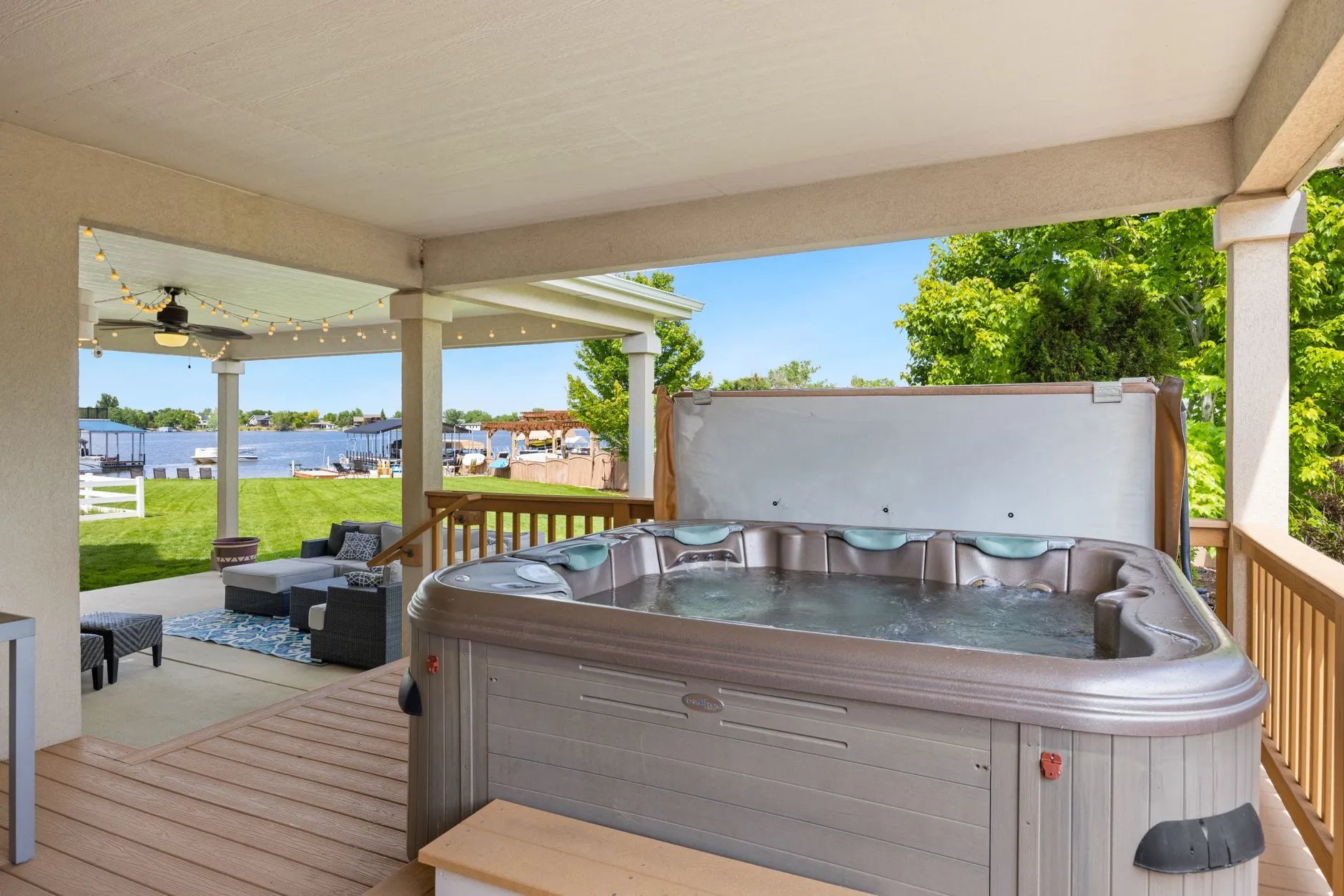
Most spas need their own circuit
A plug-in spa may run on a standard 120-volt outlet, but most full-size hot tubs are 240-volt units that need a dedicated circuit run from the electrical panel. That circuit is sized to the manufacturer's requirements for the specific model, not to a general rule of thumb, which is why the paperwork that came with your spa matters so much.
Keep the installation manual or the equipment data plate handy when you call. It lists the voltage, the amperage and whether the heater and pumps can run at the same time. Those numbers decide the wire size, the breaker and whether your existing service has room for the new load.
The disconnect, the GFCI and the bonding
Three things separate a proper spa hookup from an extension-cord shortcut:
- A disconnect you can reach. Code requires a maintenance disconnect within sight of the spa but a set distance away from the water, so anyone servicing it can kill the power without leaning over the tub.
- Ground-fault protection. Hot tub circuits require GFCI protection. It is the single feature most likely to stop a shock before it becomes an injury.
- Bonding. Metal parts around the spa — the equipment, nearby railings, reinforcing steel in a concrete pad — are bonded together so they stay at the same electrical potential and stray current cannot find a path through a person.
None of these are optional extras. They are the parts of the job an inspector looks for, and the parts a homeowner never sees once everything is buttoned up.
Florida weather deserves extra thought
Outdoor electrical equipment here lives with salt air, driving rain, humidity and summer lightning. Weather-rated enclosures, in-use covers and properly sealed conduit are not fussiness; they are what keeps corrosion out of a connection you want to last for years. If your spa sits near the water in Brevard County, expect the hardware choices to reflect that.
Storm season is worth a thought too. A spa controller is a circuit board like any other, and a nearby strike can take it out. If you are already adding a circuit, it is a good moment to ask about whole-house surge protection.
Does your panel have room?
A 240-volt spa is a meaningful addition to a home's electrical load, especially alongside air conditioning, a pool pump, an EV charger or an electric range. Sometimes there is space in the panel and capacity in the service, and the job is straightforward. Sometimes the honest answer is that the panel needs attention first. A load review answers that question before anyone starts digging a trench. If the panel is older or already full, our guide to electrical panel upgrades explains what that work involves.
Plan the route before the pad is poured
The cheapest time to run a circuit is before the patio, deck or landscaping is finished. Once a concrete pad is down and pavers are set, the wiring route gets longer and more disruptive. If a spa is in your plans for this year, have the electrical path looked at while the area is still open.
It also helps to confirm the spa's final position, not just its general corner. A few feet can change the disconnect location, the trench length and the cost.
Signs an existing spa hookup needs a look
- The breaker or GFCI trips when the heater or jets come on.
- You feel a tingle touching the water, a rail or the equipment.
- The spa is fed by a cord, an extension cord or an outlet that was never meant for it.
- The disconnect box is rusted, cracked, missing a cover or missing entirely.
- You inherited the spa with the house and have no idea who wired it.
Any tingle in or near the water means stop using the spa and have it checked. That symptom should never be ignored.
Related services and guides
Getting a spa this year?
Advent Electric handles hot tub and sauna wiring for homeowners across Brevard County, Florida. Tell us the model and where it is going, and we will walk you through what the hookup takes.
Request a quoteFrequently asked questions
Can I plug my hot tub into a regular outlet?
Only if the manufacturer built it as a 120-volt plug-in model and the outlet meets the requirements for that location. Most full-size spas need a dedicated 240-volt circuit instead, and an extension cord is never an acceptable substitute.
Do I need a permit for hot tub wiring?
New circuits for spas typically require a permit and inspection. Requirements vary by local building department, and we will tell you what applies to your address.
Should the wiring be done before the spa is delivered?
It is usually easier to rough in the circuit beforehand and make the final connection once the spa is set in place. Starting early also means you are not waiting with a spa you cannot fill.
Why does my spa keep tripping the GFCI?
Common causes include moisture in a connection, a failing heater element or pump, or a wiring fault. The GFCI is doing its job by shutting things down, so have the cause found rather than resetting it over and over.

